


Effective Techniques to Train Your Puppy to Walk on a Lead Without Pulling

Training a puppy to walk calmly on a lead is one of the first and most important skills new dog owners need to master. A puppy that pulls on the lead can make walks stressful and unsafe for both you and your furry friend. Fortunately, with the right approach, you can teach your puppy to enjoy a pull-free dog walk that is pleasant and controlled. This guide breaks down simple, step-by-step techniques to help you achieve this goal, including advice on choosing equipment, establishing routines, and using positive reinforcement. You will also learn how to handle common challenges along the way.

Train Your Puppy to Walk on a Lead Without Pulling
Choosing the Right Equipment for Lead Training
Before starting training, selecting the right equipment sets the foundation for success. The wrong collar or lead can cause discomfort or encourage pulling.
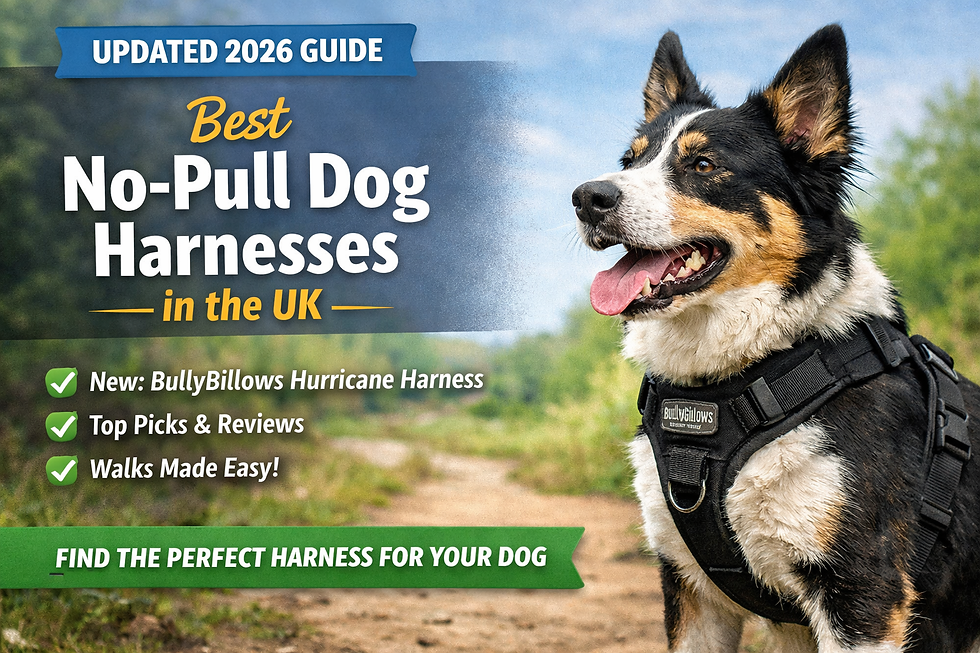
Collar vs. Harness: A flat collar is suitable for many puppies, but if your puppy tends to pull hard, a front-clip harness can help discourage pulling by redirecting their movement gently.
Lead Length: Use a standard 4 to 6-foot lead. This length offers enough freedom for your puppy to explore but keeps them close enough for control.
Material and Comfort: Choose a lead made of durable, comfortable material like nylon or leather. Avoid retractable leads during training as they encourage pulling and reduce control.
Using the right equipment helps your puppy feel comfortable and makes it easier for you to guide them during walks.
Establishing a Consistent Training Routine
To train your puppy to Walk on a lead without pulling, Consistency is key when teaching your puppy to walk without pulling. Puppies learn best when training happens regularly and in short, focused sessions.
Set a Schedule: Aim for two to three short training walks daily, about 10 to 15 minutes each. This frequency keeps your puppy engaged without overwhelming them.
Choose a Quiet Location: Start training in a low-distraction environment like your backyard or a quiet street. This helps your puppy focus on you.
Use the Same Commands: Pick simple verbal cues such as “heel,” “slow,” or “let’s go” and use them consistently during walks.
End on a Positive Note: Always finish training sessions with praise or a favorite treat to build positive associations.
A steady routine helps your puppy understand what you expect and builds good walking habits over time.
Step-by-Step Techniques to Prevent Pulling
Here are effective, easy-to-follow steps to teach your puppy to walk politely on a lead:
Start Indoors or in a Controlled Space
Begin by letting your puppy wear the collar and lead indoors. Let them get used to the feeling without pressure.
Encourage Walking by Your Side
Hold a treat in your hand near your side to lure your puppy to walk beside you. Use a cheerful voice to encourage them.
Use the Stop-and-Go Method
When your puppy pulls ahead, stop walking immediately. Wait until the lead slackens, then continue walking. This teaches your puppy that pulling stops the fun.
Reward Good Behavior Frequently
Give treats and praise when your puppy walks beside you with a loose lead. This positive reinforcement motivates them to repeat the behavior.
Change Direction to Keep Attention
If your puppy pulls, change direction suddenly. This keeps them focused on you and prevents them from rushing ahead.
Practice Short Sessions
Keep training walks brief and gradually increase duration as your puppy improves.

Using Positive Reinforcement to Encourage Pull-Free Walking
Positive reinforcement is the most effective way to train puppies. It builds trust and encourages your puppy to repeat desired behaviours.
Treats: Use small, tasty treats that your puppy loves. Reward them immediately when they walk without pulling.
Verbal Praise: Use happy tones and words like “good boy” or “well done” to reinforce good walking.
Play and Affection: Sometimes, a quick play session or petting can be a great reward.
Consistency: Always reward good behaviour during walks to strengthen the habit.
Avoid punishment or harsh corrections, as these can cause fear or confusion and slow down progress.

Common Challenges and How to Overcome Them
Training a puppy to walk without pulling can come with some hurdles. Here are common issues and solutions:
Puppy Gets Distracted Easily
Keep training sessions short and in quiet areas. Gradually introduce distractions as your puppy improves.
Puppy Pulls Toward Other Dogs or People
Use the stop-and-go method and change direction to regain control. Reward your puppy for focusing on you instead.
Puppy Gets Excited and Pulls
Wait for calm behaviour before starting the walk. Use treats to keep their attention on you.
Lead Training Feels Frustrating
Take breaks if you or your puppy get stressed. Training should be fun and positive for both of you.
Tips for Maintaining a Pull-Free Dog Walk Long Term
Once your puppy masters walking on a lead without pulling, maintaining this behaviour is important.
Keep Using Positive Reinforcement
Continue rewarding good walking habits regularly.
Vary Your Routes
Change walking routes to keep your puppy interested and engaged.
Practice in Different Environments
Gradually introduce busier areas, parks, and trails to reinforce good behavior in all settings.

FAQ
How do I stop my puppy pulling on the lead fast?
Consistency—stop walking every time they pull and reward loose lead behaviour.
Should I use a no-pull harness?
Yes, it can help manage pulling while training, but it doesn’t replace training.
At what age should I start lead training?
You can start as early as 8 weeks indoors or in your garden.


Comments